Diabetes is a chronic condition that affects how the body regulates blood sugar. It can lead to complications that impact circulation and nerve function. Reduced sensation and slower healing place the feet at greater risk for cuts, infections, and ulcers. Proper daily foot care is helpful in preventing serious problems. Wash the feet every day with mild soap and warm water, then dry them carefully, especially between the toes. Keep skin smooth with a gentle moisturizer while avoiding excess moisture between toes. Protect feet from extreme heat and cold to prevent injury. Additionally, wear well-fitting shoes and inspect feet regularly for changes. If you have diabetes, it is strongly suggested that you are under the care of a podiatrist who can help you to manage this serious condition.
Diabetic foot care is important in preventing foot ailments such as ulcers. If you are suffering from diabetes or have any other concerns about your feet, contact Dr. George Yarnell from Pennsylvania. Our doctor can provide the care you need to keep you pain-free and on your feet.
Diabetic Foot Care
Diabetes affects millions of people every year. The condition can damage blood vessels in many parts of the body, especially the feet. Because of this, taking care of your feet is essential if you have diabetes, and having a podiatrist help monitor your foot health is highly recommended.
The Importance of Caring for Your Feet
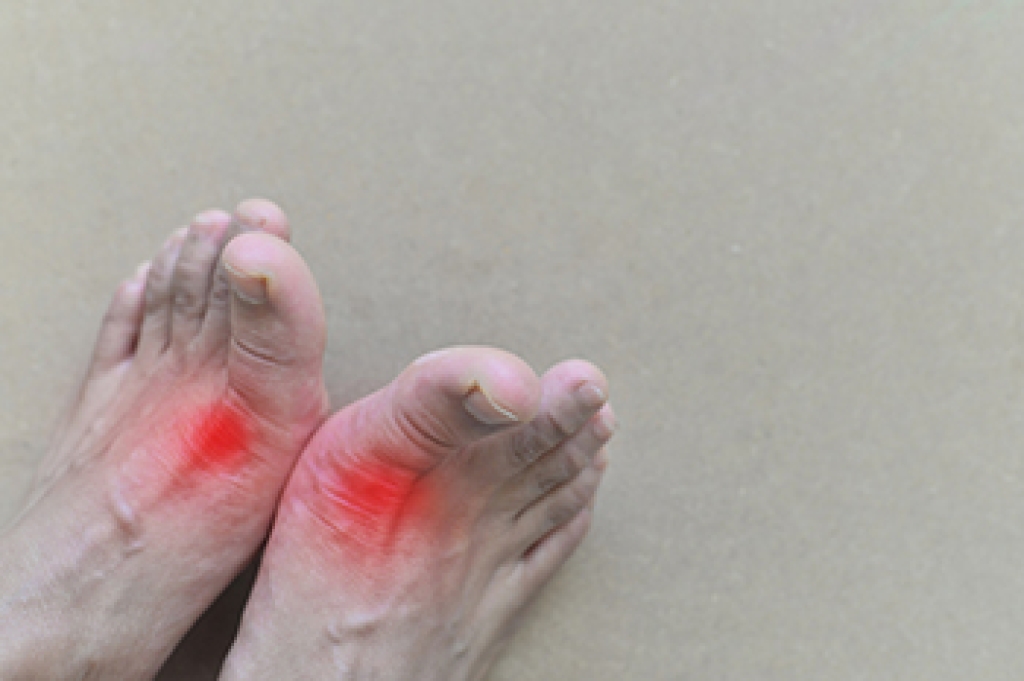
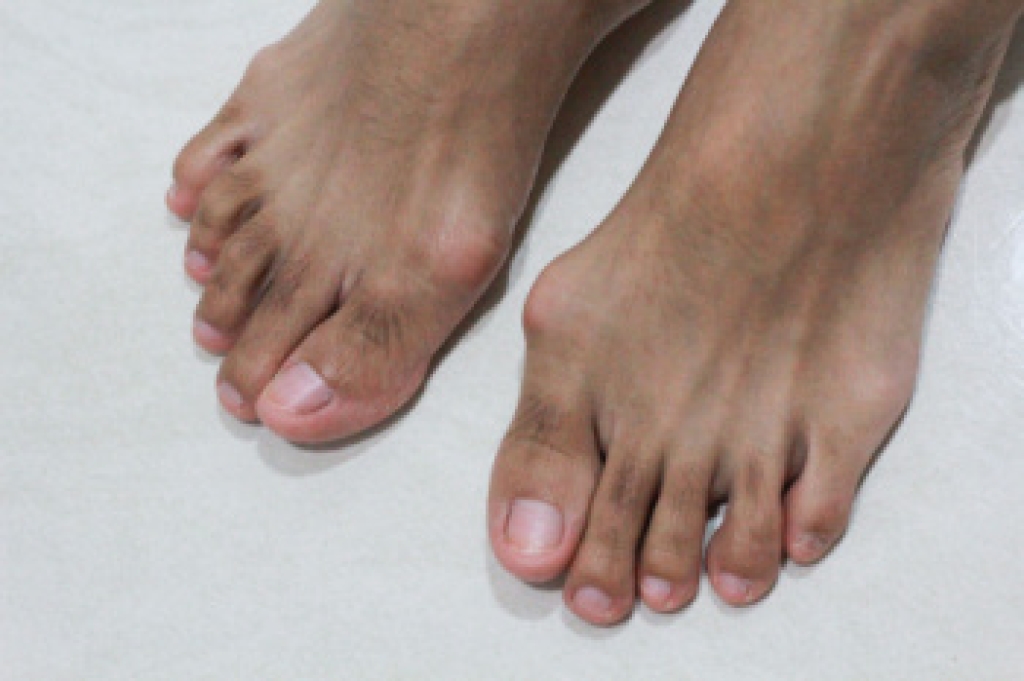
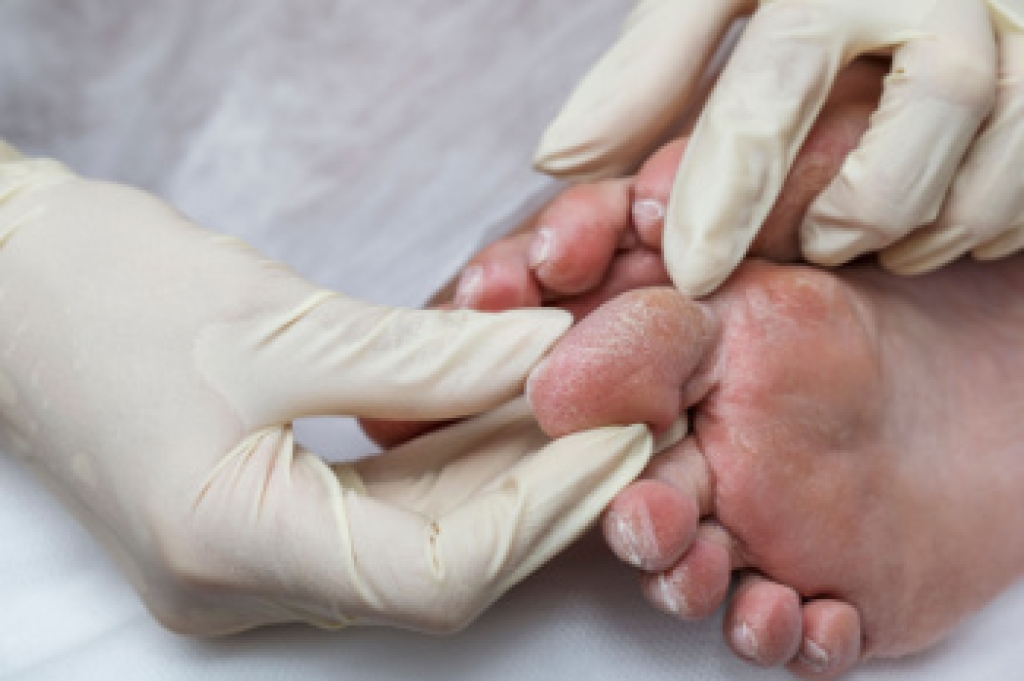
- Routinely inspect your feet for bruises or sores.
- Wear socks that fit your feet comfortably.
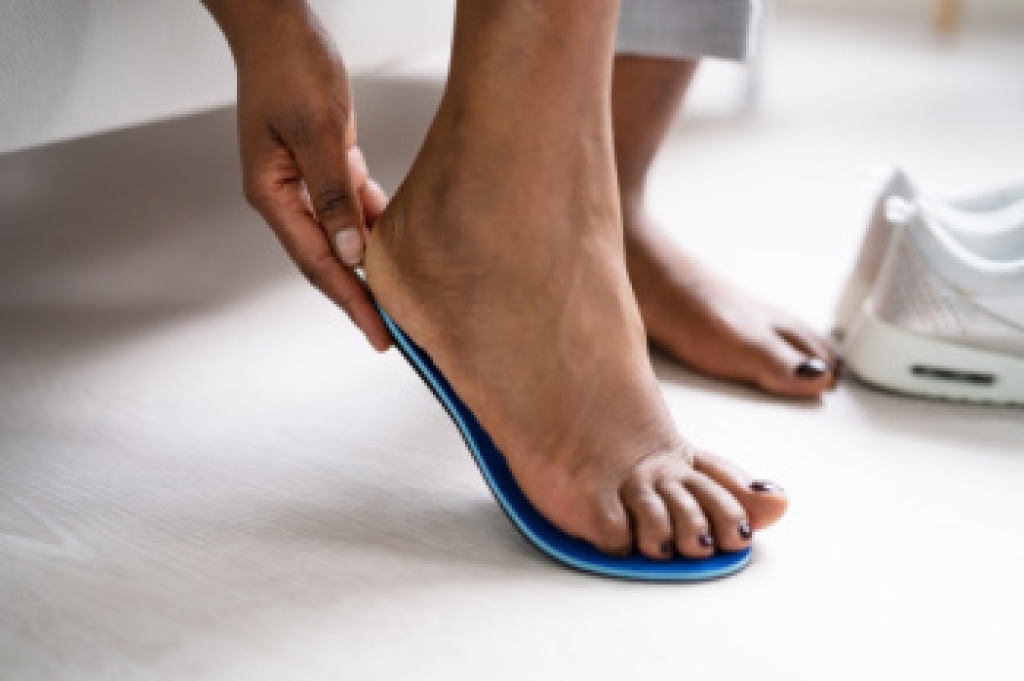
- Wear comfortable shoes that provide adequate support.
Patients with diabetes should have their doctor monitor their blood levels, as blood sugar levels play such a huge role in diabetic care. Monitoring these levels on a regular basis is highly advised.
It is always best to inform your healthcare professional of any concerns you may have regarding your feet, especially for diabetic patients. Early treatment and routine foot examinations are keys to maintaining proper health, especially because severe complications can arise if proper treatment is not applied.
If you have any questions, please feel free to contact our office located in Lansdowne, PA . We offer the newest diagnostic and treatment technologies for all your foot care needs.