Lansdowne, PA
(610) 626-3338

review us
follow us
like us

Blog

Common Warning Signs of Poor Foot Circulation

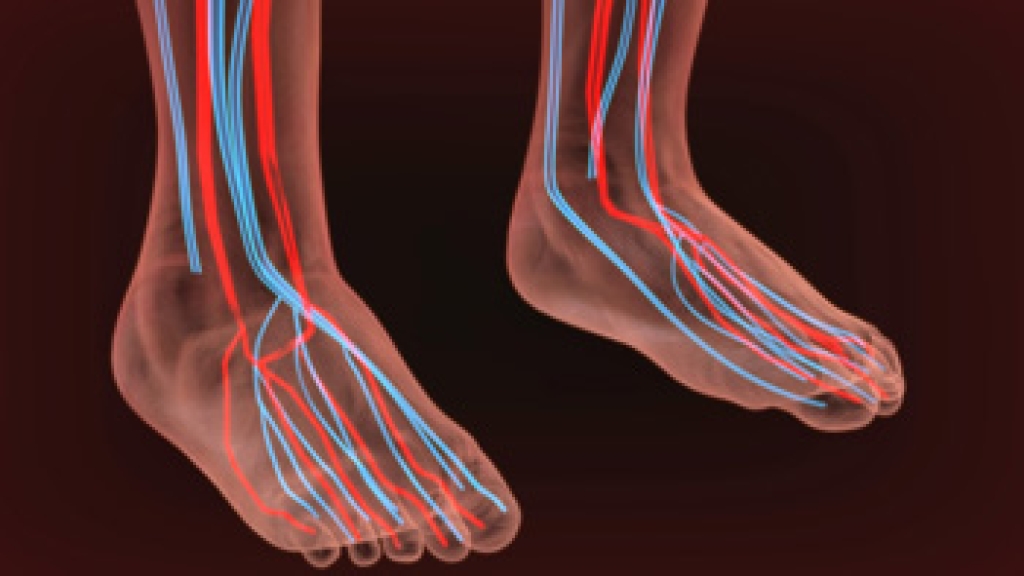
Poor foot circulation is a serious issue that can lead to various health complications if left untreated. Common warning signs include persistent coldness in the feet, even in warm environments. Numbness or tingling sensations, often described as pins and needles, can indicate circulation problems. Discoloration, such as a bluish or pale hue, may also be a sign of reduced blood flow. Swelling in the feet and ankles is another common symptom. Additionally, slow-healing sores or wounds on the feet can indicate poor circulation, as the necessary nutrients and oxygen are not efficiently reaching the area. Cramping or pain in the legs and feet, especially during physical activity, is another key indicator.  Poor foot circulation can indicate serious health issues. If you have this condition, it is suggested that you visit a podiatrist who can determine what the reason is, and offer effective management tips.

While poor circulation itself isn’t a condition; it is a symptom of another underlying health condition you may have. If you have any concerns with poor circulation in your feet contact Dr. George Yarnell of Pennsylvania. Our doctor will treat your foot and ankle needs.

Poor Circulation in the Feet

Peripheral artery disease (PAD) can potentially lead to poor circulation in the lower extremities. PAD is a condition that causes the blood vessels and arteries to narrow. In a linked condition called atherosclerosis, the arteries stiffen up due to a buildup of plaque in the arteries and blood vessels. These two conditions can cause a decrease in the amount of blood that flows to your extremities, therefore resulting in pain.

Symptoms

Some of the most common symptoms of poor circulation are:

  • Numbness
  • Tingling
  • Throbbing or stinging pain in limbs
  • Pain
  • Muscle Cramps

Treatment for poor circulation often depends on the underlying condition that causes it. Methods for treatment may include insulin for diabetes, special exercise programs, surgery for varicose veins, or compression socks for swollen legs.

As always, see a podiatrist as he or she will assist in finding a regimen that suits you. A podiatrist can also prescribe you any needed medication. 

If you have any questions, please feel free to contact our office located in Lansdowne, PA . We offer the newest diagnostic and treatment technologies for all your foot care needs.
Read more about Causes Symptoms and Treatment for Poor Circulation in the Feet

Recognizing the Symptoms of a Bunion

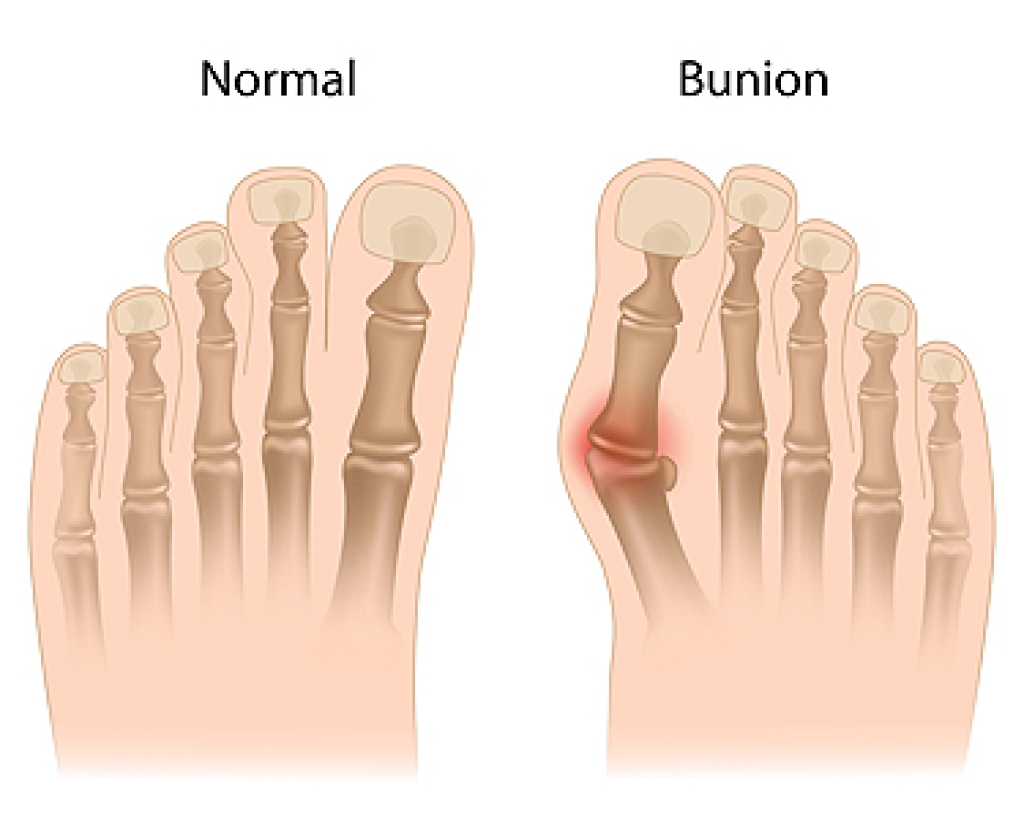
A bunion is a bony bump that forms at the base of the big toe, causing the toe to deviate towards the other toes. Symptoms of a bunion include a visible protrusion on the side of the foot, often accompanied by swelling, redness, and inflammation surrounding the affected area. Pain and tenderness are common, especially when wearing tight or narrow shoes. Over time, the big toe may turn inwards, overlapping the second toe, which can lead to further discomfort and difficulty walking. The skin over the bunion can become thickened and callused due to constant friction and pressure. In some cases, persistent pain and restricted movement in the big toe joint can occur. Early recognition and management of bunion symptoms can prevent progression and can help to alleviate discomfort. If you have a bunion, it is suggested that you seek advice from a podiatrist who can offer you effective relief and treatment solutions. 

If you are suffering from bunions, contact Dr. George Yarnell of Pennsylvania. Our doctor can provide the care you need to keep you pain-free and on your feet.

What Is a Bunion?

A bunion is formed of swollen tissue or an enlargement of boney growth, usually located at the base joint of the toe that connects to the foot. The swelling occurs due to the bones in the big toe shifting inward, which impacts the other toes of the foot. This causes the area around the base of the big toe to become inflamed and painful.

Why Do Bunions Form?

Genetics – Susceptibility to bunions are often hereditary

Stress on the feet – Poorly fitted and uncomfortable footwear that places stress on feet, such as heels, can worsen existing bunions

How Are Bunions Diagnosed?

Podiatrists often perform two tests – blood tests and x-rays – when trying to diagnose bunions, especially in the early stages of development. Blood tests help determine if the foot pain is being caused by something else, such as arthritis, while x-rays provide a clear picture of your bone structure to your provider.

How Are Bunions Treated?

  • Refrain from wearing heels or similar shoes that cause discomfort
  • Select wider shoes that can provide more comfort and reduce pain
  • Anti-inflammatory and pain management drugs
  • Orthotics or foot inserts
  • Surgery

If you have any questions, please feel free to contact our office located in Lansdowne, PA . We offer the newest diagnostic and treatment technologies for all your foot care needs.

Read more about Bunions

Gout and Its Impact on Women

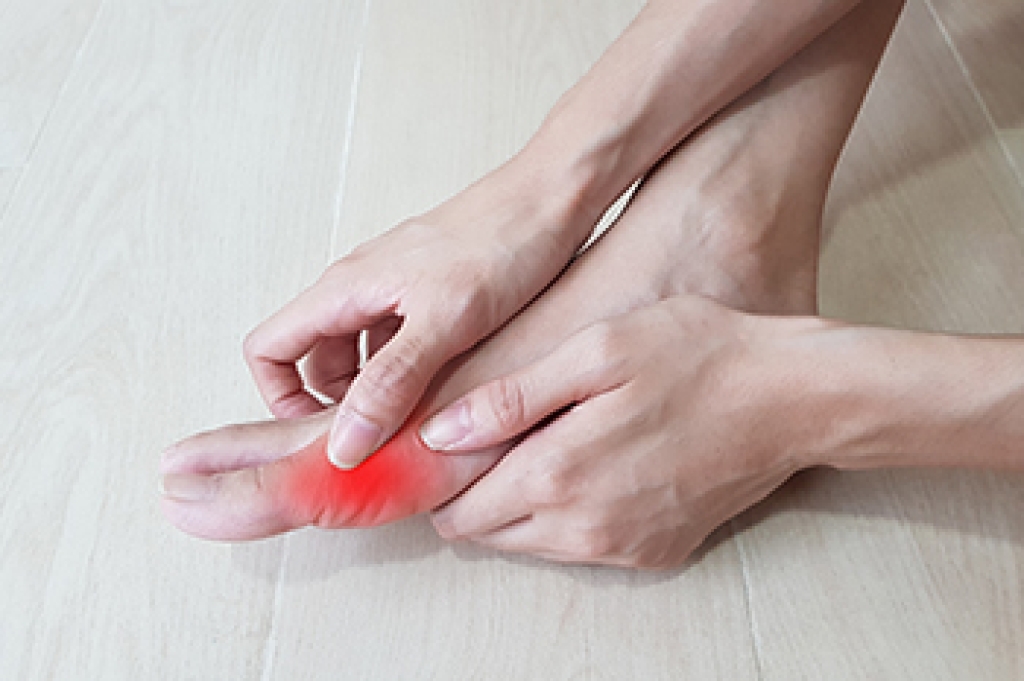
Gout, a form of arthritis caused by the buildup of uric acid crystals in the joints, affects both men and women, though it is more prevalent in men. However, women are increasingly affected, especially after menopause. Before menopause, estrogen helps to lower uric acid levels, providing a protective effect. After menopause, the decline in estrogen levels leads to higher uric acid levels, increasing the risk of gout. Women with gout often experience symptoms in different joints compared to men, with a higher likelihood of affecting the knees and wrists. Additionally, women may face a delayed diagnosis, as gout is traditionally associated with men. Understanding the gender differences in gout can lead to better awareness and treatment options for women, ensuring timely management and improved quality of life. Gout generally affects the joints and the big toe and can produce a significant amount of pain and discomfort. If you have this type of foot pain, it is strongly suggested that you visit a podiatrist who can help you to manage this condition. 

Gout is a foot condition that requires certain treatment and care. If you are seeking treatment, contact Dr. George Yarnell from Pennsylvania. Our doctor will treat your foot and ankle needs.

What Is Gout?

Gout is a type of arthritis caused by a buildup of uric acid in the bloodstream. It often develops in the foot, especially the big toe area, although it can manifest in other parts of the body as well. Gout can make walking and standing very painful and is especially common in diabetics and the obese.

People typically get gout because of a poor diet. Genetic predisposition is also a factor. The children of parents who have had gout frequently have a chance of developing it themselves.

Gout can easily be identified by redness and inflammation of the big toe and the surrounding areas of the foot. Other symptoms include extreme fatigue, joint pain, and running high fevers. Sometimes corticosteroid drugs can be prescribed to treat gout, but the best way to combat this disease is to get more exercise and eat a better diet.

If you have any questions, please feel free to contact our office located in Lansdowne, PA . We offer the newest diagnostic and treatment technologies for all your foot care needs.

Read more about Everything You Need to Know About Gout

The Intricacies of Foot Anatomy

The human foot is a marvel of engineering, comprising a complex interplay of bones, muscles, ligaments, and blood vessels that work seamlessly to support our weight, absorb shock, and propel us forward. At the heart of this structure lies the arch, which acts as a natural shock absorber, distributing forces evenly as we walk, run, or stand. Supporting the arch are muscles and ligaments that form a dynamic system, constantly adjusting to maintain balance and stability. Meanwhile, the toes play a vital role in balance and propelling us forward, while gripping the ground with each step and helping us navigate uneven terrain. Beneath the surface, a network of blood vessels ensures adequate oxygen and nutrients reach the tissues, supporting their function and repair. Foot pain can happen for a variety of reasons, and it may be connected to a mishap or a foot deformity. If you have foot pain for any reason, it is suggested that you visit a podiatrist who is an expert in treating such conditions.

If you have any concerns about your feet, contact Dr. George Yarnell from Pennsylvania. Our doctor can provide the care you need to keep you pain-free and on your feet.

Biomechanics in Podiatry

Podiatric biomechanics is a particular sector of specialty podiatry with licensed practitioners who are trained to diagnose and treat conditions affecting the foot, ankle and lower leg. Biomechanics deals with the forces that act against the body, causing an interference with the biological structures. It focuses on the movement of the ankle, the foot and the forces that interact with them.

A History of Biomechanics

  • Biomechanics dates back to the BC era in Egypt where evidence of professional foot care has been recorded.
  • In 1974, biomechanics gained a higher profile from the studies of Merton Root, who claimed that by changing or controlling the forces between the ankle and the foot, corrections or conditions could be implemented to gain strength and coordination in the area.

Modern technological improvements are based on past theories and therapeutic processes that provide a better understanding of podiatric concepts for biomechanics. Computers can provide accurate information about the forces and patterns of the feet and lower legs.

Understanding biomechanics of the feet can help improve and eliminate pain, stopping further stress to the foot.

If you have any questions please feel free to contact our office located in Lansdowne, PA . We offer the newest diagnostic and treatment technologies for all your foot and ankle needs.

Read more about The Importance of Biomechanics in Podiatry

Are You Suffering From Ingrown Toenails?

If left untreated, an ingrown toenail can lead to more serious concerns, such as an infection. Knowing proper nail care can help in the prevention of an ingrown toenail. Give us a call, and get treated!

Connect with us
like us follow us read our vlog