Lansdowne, PA
(610) 626-3338

review us
follow us
like us

Blog

Morton’s Neuroma and Forefoot Pain

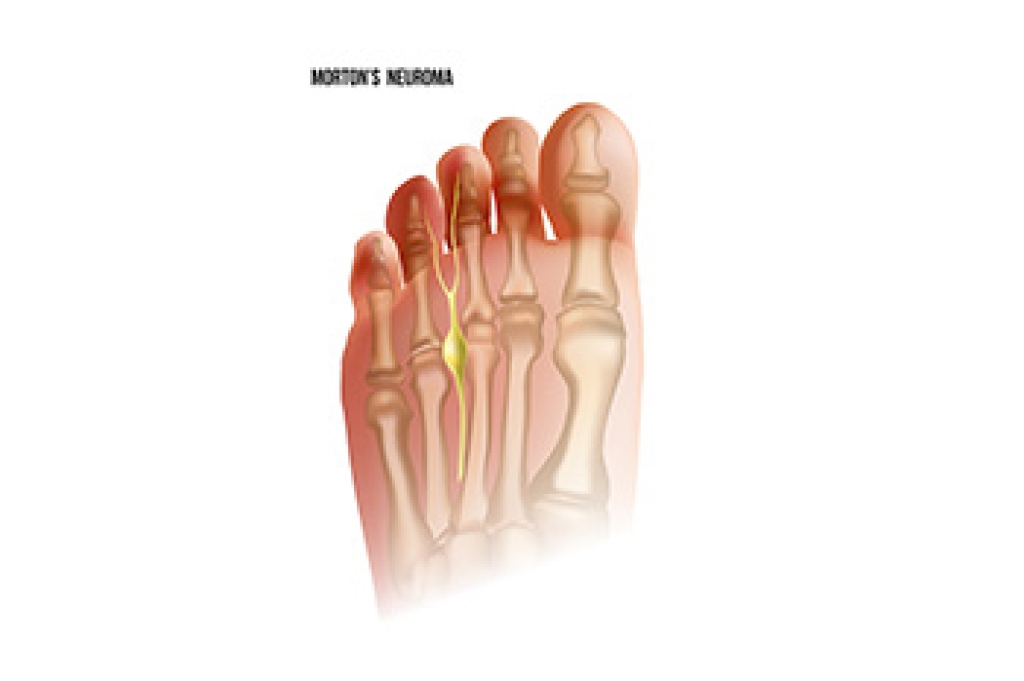
Morton’s neuroma is a painful condition involving thickened tissue around a nerve in the forefoot, often between the third and fourth toes. It is commonly seen in individuals who exercise frequently, especially with activities that involve repetitive pressure on the ball of the foot. Risk factors include tight footwear, high-impact movement, and foot structure imbalances. Symptoms include burning pain, tingling, numbness, or the sensation of standing on a small object. Without treatment, discomfort may worsen over time. A podiatrist can evaluate the condition, recommend footwear changes, and offer custom orthotics or advanced care. If you have pain in this part of your foot, it is suggested that you consult a podiatrist who can accurately diagnose and treat what may be going on.

Morton’s neuroma is a very uncomfortable condition to live with. If you think you have Morton’s neuroma, contact Dr. George Yarnell of Pennsylvania. Our doctor will attend to all of your foot care needs and answer any of your related questions.  

Morton’s Neuroma

Morton's neuroma is a painful foot condition that commonly affects the areas between the second and third or third and fourth toe, although other areas of the foot are also susceptible. Morton’s neuroma is caused by an inflamed nerve in the foot that is being squeezed and aggravated by surrounding bones.

What Increases the Chances of Having Morton’s Neuroma?

  • Ill-fitting high heels or shoes that add pressure to the toe or foot
  • Jogging, running or any sport that involves constant impact to the foot
  • Flat feet, bunions, and any other foot deformities

Morton’s neuroma is a very treatable condition. Orthotics and shoe inserts can often be used to alleviate the pain on the forefront of the feet. In more severe cases, corticosteroids can also be prescribed. In order to figure out the best treatment for your neuroma, it’s recommended to seek the care of a podiatrist who can diagnose your condition and provide different treatment options.

If you have any questions, please feel free to contact our office located in Lansdowne, PA . We offer the newest diagnostic and treatment technologies for all your foot care needs.

Read more about Morton's Neuroma

Types of Big Toe Pain

Pain in the big toe can sometimes be confused because several conditions affect the same joint. Two common causes are turf toe and gout, but they develop for very different reasons. Turf toe is a sprain of the ligaments surrounding the big toe joint. It usually occurs when the toe bends upward too far during sports or sudden movement. Patients often notice pain, swelling, and stiffness at the base of the big toe, especially when pushing off while walking or running. Gout is a form of inflammatory arthritis caused by a buildup of uric acid crystals inside the big toe joint. The pain from gout often appears suddenly and may become severe within hours. The joint may look red, swollen, and feel very warm to the touch. A podiatrist can evaluate the symptoms, review medical history, and use imaging or testing to identify the exact cause. If you are experiencing significant pain in the big toe, it is suggested that you make an appointment with a podiatrist.

Toe pain can disrupt your daily activities. If you have any concerns, contact Dr. George Yarnell of Pennsylvania. Our doctor can provide the care you need to keep you pain-free and on your feet.

What Causes Toe Pain?

Most severe toe pain is caused due to a sports injury, trauma from dropping something heavy on the toe, or bumping into something rigid. Other problems can develop over time for various reasons.

Toe pain can be caused by one or more ailments. The most common include:

  • Trauma
  • Sports injury
  • Wearing shoes that are too tight
  • Arthritis
  • Gout
  • Corns and calluses
  • Hammertoe
  • Bunions
  • Blisters
  • Ingrown toenails
  • Sprains
  • Fractures (broken bones)
  • Dislocations

When to See a Podiatrist

  • Severe pain
  • Persistent pain that lasts more than a week
  • Signs of infection
  • Continued swelling
  • Pain that prevents walking

Diagnosis

In many cases the cause of toe pain is obvious, but in others, a podiatrist may want to use more advanced methods to determine the problem. These can range from simple visual inspections and sensation tests to X-rays and MRI scans. Prior medical history, family medical history, and any recent physical traumatic events will all be taken into consideration for a proper diagnosis.

Treatment

Treatments for toe pain and injuries vary and may include shoe inserts, padding, taping, medicines, injections, and in some cases, surgery. If you believe that you have broken a toe, please see a podiatrist as soon as possible.

If you have any questions please contact our office located in Lansdowne, PA . We offer the newest diagnostic and treatment technologies for all your foot and ankle needs.

Read more about Toe Pain

Causes and Symptoms of Hammertoe

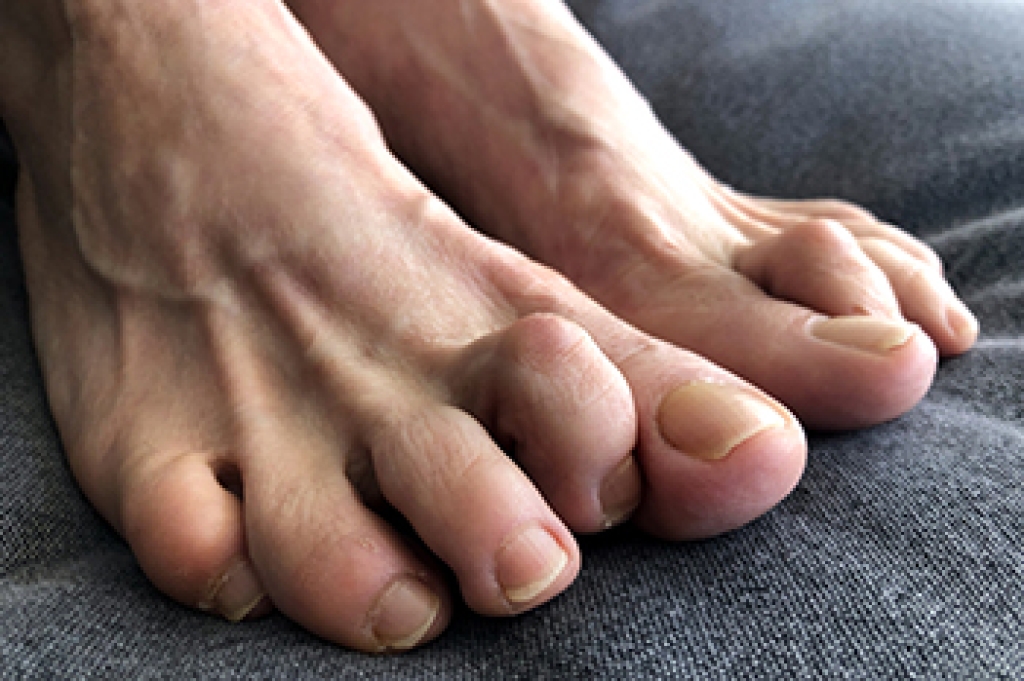
Hammertoe is a deformity in which one of the smaller toes bends at the middle joint and stays in a raised position instead of lying flat. It most often affects the second toe. In early stages, the toe may still be flexible, but over time it can become stiff and hard to straighten. Hammertoe develops when the muscles and tendons that control the toe become unbalanced, causing the joint to remain bent. Contributing factors include inherited foot shape, arthritis, injury, bunions that crowd the toes, and years of wearing tight shoes. Common symptoms include pain when walking, redness over the bent joint, and calluses or corns caused by rubbing. Some people also feel aching in the ball of the foot due to added pressure. A podiatrist can examine the foot, confirm the diagnosis, and recommend orthotics or surgery when needed. If you have symptoms of hammertoe, it is suggested that you make an appointment with a podiatrist for an exam, diagnosis, and treatment.

Hammertoe

Hammertoes can be a painful condition to live with. For more information, contact Dr. George Yarnell from Pennsylvania. Our doctor will answer any of your foot- and ankle-related questions.

Hammertoe is a foot deformity that affects the joints of the second, third, fourth, or fifth toes of your feet. It is a painful foot condition in which these toes curl and arch up, which can often lead to pain when wearing footwear.

Symptoms

  • Pain in the affected toes
  • Development of corns or calluses due to friction
  • Inflammation
  • Redness
  • Contracture of the toes

Causes

Genetics – People who are genetically predisposed to hammertoe are often more susceptible

Arthritis – Because arthritis affects the joints in your toes, further deformities stemming from arthritis can occur

Trauma – Direct trauma to the toes could potentially lead to hammertoe

Ill-fitting shoes – Undue pressure on the front of the toes from ill-fitting shoes can potentially lead to the development of hammertoe

Treatment

Orthotics – Custom made inserts can be used to help relieve pressure placed on the toes and therefore relieve some of the pain associated with it

Medications – Oral medications such as anti-inflammatories or NSAIDs could be used to treat the pain and inflammation hammertoes causes. Injections of corticosteroids are also sometimes used

Surgery – In more severe cases where the hammertoes have become more rigid, foot surgery is a potential option

If you have any questions, please feel free to contact our office located in Lansdowne, PA . We offer the newest diagnostic and treatment technologies for all your foot care needs.

Read more about What Are Hammertoes?

Simple Exercises to Keep Toes and Ankles Moving Well

Gentle exercises can help maintain strength, flexibility, and circulation in the toes, feet, and ankles, especially if you spend a lot of time sitting or notice stiffness when walking. For the toes, try towel scrunches by placing a towel on the floor and using your toes to pull it toward you, which helps activate small stabilizing muscles. For the feet, seated arch lifts are helpful. With feet flat on the floor, gently raise the arch while keeping toes and heel down, then relax. This supports foot alignment and control. For the ankles, ankle circles are an easy option. Slowly rotate the ankle in one direction, then reverse, focusing on smooth movement. These simple exercises can support comfort and balance, but persistent pain or stiffness should be evaluated. If you have foot pain, it is suggested that you consult a podiatrist who can treat various foot and ankle conditions, and guide you on additional foot stretches, tailored to your needs.

Why Stretching Is Important for Your Feet

Stretching the feet is a great way to prevent injuries. If you have any concerns with your feet consult with Dr. George Yarnell from Pennsylvania. Our doctor will assess your condition and provide you with quality foot and ankle treatment.

Stretching the Feet

Stretching the muscles in the foot is an important part in any physical activity. Feet that are tight can lead to less flexibility and make you more prone to injury. One of the most common forms of foot pain, plantar fasciitis, can be stretched out to help ease the pain. Stretching can not only ease pain from plantar fasciitis but also prevent it as well. However, it is important to see a podiatrist first to determine if stretching is right for you. Podiatrists can also recommend other ways to stretch your feet. Once you know whether stretching is right for you, here are some excellent stretches you can do.

  • Using a foam roller or any cylindrical object (a water bottle or soda can will do), roll the object under your foot back and forth. You should also exert pressure on the object. Be sure to do this to both feet for a minute. Do this exercise three times each.
  • Similar to the previous exercise, take a ball, such as a tennis ball, and roll it under your foot while seated and exert pressure on it.
  • Grab a resistance band or towel and take a seat. If you are using a towel, fold it length wise. Next put either one between the ball of your foot and heel and pull with both hands on each side towards you. Hold this for 15 seconds and then switch feet. Do this three times for each foot.
  • Finally hold your big toe while crossing one leg over the other. Pull the toe towards you and hold for 15 seconds. Once again do this three times per foot.

It is best to go easy when first stretching your foot and work your way up. If your foot starts hurting, stop exercising to ice and rest the foot. It is advised that you then see a podiatrist for help.

If you have any questions please contact our office located in Lansdowne, PA . We offer the newest diagnostic and treatment technologies for all your foot and ankle needs.

Read more about Stretching Your Feet

Why Live with Pain and Numbness in Your Feet?

Suffering from this type of pain? You may have the foot condition known as Morton's neuroma. Morton's neuroma may develop as a result of ill-fitting footwear and existing foot deformities. We can help.

Connect with us
like us follow us read our vlog